
To our community,
LA Rebuild
Guide
The fires have caused significant loss across Los Angeles. Our thoughts are with everyone affected. As architects, we know that rebuilding a home is not something most people plan for. Many of our neighbors did not choose to rebuild their homes and now find themselves navigating debris removal, insurance claims, legal matters, lenders, public agencies, architects, and contractors all at once.
The volume of information can feel overwhelming, and much of it arrives fragmented or conflicting, often without clear context. There are many ways to rebuild a home, depending on who you speak with. We put this guide together to help organize what typically comes next, outline common decisions, and point to resources that may be useful as you move through recovery and the rebuilding process.
ATELIER X
The fires have caused significant loss across Los Angeles. Our thoughts are with everyone affected. As architects, we know that rebuilding a home is not something most people plan for. Many of our neighbors did not choose to rebuild their homes and now find themselves navigating debris removal, insurance claims, legal matters, lenders, public agencies, architects, and contractors all at once.
The volume of information can feel overwhelming, and much of it arrives fragmented or conflicting, often without clear context. There are many ways to rebuild a home, depending on who you speak with. We put this guide together to help organize what typically comes next, outline common decisions, and point to resources that may be useful as you move through recovery and the rebuilding process.
ATELIER X
To our community,


If you decide to rebuild, the next step is assembling the right design and construction team. This is not a decision to rush. The rebuild process is complex and unfolds over time. Working with seasoned professionals who understand post fire conditions, permitting, and construction realities will help you navigate the process with clarity and confidence.
Step 1:
Understand Your Options

The first step is understanding your neighborhood recovery plan and how rebuilding is being handled locally. This includes agency processes, post fire provisions, and any requirements that may affect what and how you rebuild.
From there, engage licensed professionals with experience navigating post fire rebuilds. They understand the relationship between design, construction, and code requirements, and can help guide the process from early decisions through completion.
Finding a team that communicates clearly, listens well, stays organized, and responds consistently is just as important as technical expertise. You will be working together for several years to turn what was lost into a home that supports how you want to live moving forward.
-
Rebuilding is a significant commitment. It helps to step back and look beyond the immediate task of replacing what was lost. Longer term factors such as fire risk, climate conditions, insurance coverage, tax and financial implications, and how you want to live in the home all deserve early consideration. It is also important to be candid about the amount of time and energy you are able to put into the process. Rebuilding requires ongoing involvement over an extended period.
Working with experienced professionals
Rebuilding is a team effort. Architects, engineers, contractors, and consultants each play a different role in translating your goals into a buildable project. Look for licensed professionals with experience in your area who understand post fire conditions, local planning and building requirements, and who communicate clearly as the work progresses.
Cost and scope
Start by establishing a realistic budget that reflects the full scope of the project. This typically includes construction materials and labor, permits, design and engineering fees, equipment, furnishings, and allowances for unknown conditions.
Early clarity around the size of the home you are rebuilding is critical. Square footage has a direct impact on construction cost, schedule, permitting complexity, and how your insurance coverage applies.
Separating needs from wants is helpful at this stage. Needs are the spaces and functions required for daily life. Wants are features that enhance comfort or flexibility but are not essential. Being clear about this distinction makes it easier to adjust scope if costs shift during design.
A licensed architect or contractor can help frame a budget that aligns with your insurance claim, priorities, and timeline. Review your insurance policy carefully so you understand what is covered and what is not. If needed, explore construction loans or government backed financing options early.
Permitting
Before design begins, confirm how zoning and building regulations apply to your property. Rebuilds must comply with current building and fire safety codes, even if the previous home was built under older standards. An experienced architect can help interpret these requirements and prepare the documents needed for permit approval before construction starts.
Site considerations
Depending on site conditions, additional work may be required to address soil stability, drainage, or areas affected by fire debris. Material selection and construction methods also influence long term durability and maintenance. Work with professionals who understand post fire site conditions and responsible construction practices so these issues are addressed early rather than discovered later.
-
An accessory dwelling unit, or ADU, is a secondary residential unit built on the same property as your main home. It can be attached to the primary residence or constructed as a separate structure.
An ADU can play a meaningful role in a rebuild strategy. Beyond adding long term flexibility, it can sometimes provide housing during construction and support different financial or lifestyle needs over time. How and when an ADU can be built depends on local zoning, agency requirements, and permitting rules.
In some cases, it makes sense to permit and build an ADU independently from the main home. When a primary residence is being rebuilt under like for like provisions, combining an ADU with the main permit set can complicate eligibility for expedited or simplified approvals. Separating the ADU into its own permit may help preserve the rebuild pathway while allowing the ADU to move forward on a different timeline.
It is also important to be realistic about living on site during a rebuild. Construction activity on your property and in the surrounding neighborhood may continue for an extended period. Depending on scope and sequencing, work related to your home and nearby properties can span multiple years.
Over time, an ADU can serve several purposes:
• Provide long term rental income
• House aging parents, adult children, extended family, close friends, or renters
• Create a quiet, separate space for work or personal use
• Add flexible square footage and often increase overall property valueIf you are considering an ADU, typical approaches include:
• Hiring a local licensed architect with experience in ADU design, permitting, and agency coordination
• Using City of Los Angeles pre approved standard ADU plans as a starting point
• Working with a design build firm that focuses specifically on ADU projectsThe right approach depends on your budget, site conditions, local regulations, timeline, and how the ADU fits into your broader rebuilding plan.
-
Temporary housing can be an effective way to stay close to your property and remain connected to your neighborhood while rebuilding. It is often more cost effective than long term rental housing and is one of the more direct ways to restore power and water to a fire impacted site early in the recovery process.
Recent state and local emergency orders allow temporary housing on properties where homes were destroyed or rendered uninhabitable by fire. What is allowed, how it is permitted, and how long it can remain in place varies by jurisdiction, so it is important to confirm current requirements with your local planning department.
Temporary housing options may include RVs, tiny homes on wheels, mobile homes, modular units, and in some cases ADUs. Each option comes with different permitting, infrastructure, and timing considerations.
An RV or tiny home on wheels can be a fast and flexible solution. These units are often permitted while debris removal is still underway, as long as they are not placed on an active debris field. Many homeowners use them during site cleanup and early rebuilding phases and then sell them once they are no longer needed. Permits typically require safe connections for power, potable water, and wastewater disposal.
For homeowners seeking a more stable setup, modular or prefab units may be permitted once the site is cleared and eligible for development. In some cases, these units can remain in place for the duration of an active building permit and provide housing throughout construction.
Temporary housing permits are often issued for up to three years, or for the length of an active building permit for the primary residence, whichever is longer. This acknowledges that rebuilding takes time and allows homeowners to remain on their property throughout the process.
It is also important to be realistic about living on site. Construction activity on your property and in the surrounding neighborhood may continue for several years. While staying on site can be practical, it requires patience and an understanding that rebuilding is not a quiet or short term process.
As with all aspects of rebuilding, regulations and timelines can change. Always confirm current policies directly with your local agency before making commitments or purchases.
-
In some neighborhoods, rebuilding takes on a more collective form. Community based rebuilding efforts can help neighbors coordinate, share information, and move through recovery together. These efforts often emerge organically after a fire and may include informal communication networks, shared planning strategies, and collective advocacy around fire safety, infrastructure improvements, and long term preparedness.
In recent fire impacted areas, several organized initiatives have emerged to support this type of rebuilding. Programs such as Case Study Adapt, Case Study 2.0, and the Foothill Catalog Foundation offer pre designed or pre vetted home options intended to streamline permitting, reduce design time and cost, and create a more coordinated rebuilding process with fewer friction points.
These programs can be helpful for some homeowners, particularly those looking for a clearer path forward with fewer individual decisions early on. However, participation may come with specific requirements related to design approach, materials, construction methods, timelines, or community participation. It is important to understand which decisions are fixed and where flexibility remains before committing.
Things to Consider
• Research programs offered by community developers, nonprofit organizations, or government agencies
• Understand the scope of what is included and which decisions are predetermined
• Clarify what flexibility exists around design, materials, siting, and construction approach
• Evaluate potential benefits alongside limitations or constraints
• Clarify costs, quality expectations, and what services are included
• Understand projected timelines and request key commitments in writing early
• Confirm with your insurance provider that participation is covered under your policyCommunity based rebuilding is not the right fit for everyone. For some homeowners, however, it can offer structure, shared momentum, and a sense of rebuilding together rather than navigating the process alone.
Rebuild costs are shaped by many factors, including whether the site is flat or on a hillside, how accessible it is, how much damage occurred, and what remediation is required. Costs are also influenced by whether existing foundations or retaining walls can be reused, current building and fire code requirements, and the overall size, layout, and material choices for the home.
Step 2:
Understand Rebuild Costs

Understanding these variables early helps set realistic expectations and reduces surprises later. A clear picture of cost allows you to make informed decisions about scope, priorities, and timing, and gives your team a solid framework to guide the project forward.
When completed, your new home will be built to current building code standards as well as incorporate sustainable features and resilient design strategies. It will be a much safer, more energy efficient home that in turn is more economical to run, and it will be a good long-term investment.
-
If your property experienced direct fire damage, debris removal is a critical early step in the rebuild process. This work addresses ash, burned materials, and potential hazardous substances and prepares the site for future construction. In Los Angeles County, fire debris removal is handled through a two phase program.
Overall process
Debris removal is coordinated at the county and federal level to ensure environmental safety and consistency across impacted neighborhoods. Both phases are offered at no cost to the homeowner when completed through the public program.
Phase 1
Household hazardous waste removal
• Conducted by the EPA
• Includes assessment of the property and removal of household hazardous materials
• Provided at no cost to the property owner
• Cleanup is expected to take approximately three months
• Phase 1 is already underway
• Phase 1 must be completed before any further debris removal can occurPhase 2
Fire debris removal and site preparation
• Begins only after written authorization from the property owner
• Deadline to opt in is March 31, 2025
• Conducted by the U.S. Army Corps of Engineers
• Includes removal of fire debris and preparation of a clean building pad
• Phase 2 cannot begin until Phase 1 is complete
• Cleanup timing depends on the overall sequencing of the area and can take up to twelve months
• Work is not first come first served. Streets or blocks are typically cleared togetherCost
When completed through the public program, both Phase 1 and Phase 2 are provided at no cost to the homeowner.
Private debris removal option
Homeowners may choose to opt out of Phase 2 and retain a private, certified debris removal contractor.
• Phase 1 must still be completed by the EPA
• Private contractors must be approved by local officials before work begins
• Private debris removal can be expensive, often ranging from $100,000 to $180,000 depending on site conditions
• If considering this option, review your insurance policy and confirm with your insurance adjuster whether debris removal costs are eligible for reimbursementAdditional resources
Los Angeles County Public Works maintains a dedicated website with current information on the fire debris removal program, timelines, and requirements. Because policies and schedules may evolve, always confirm the latest information directly with the official program and your local agency.
-
Debris removal programs address fire related hazards, but they do not resolve every condition on a fire impacted property. Phase 2 cleanup focuses on ash, burned materials, and contaminated soil directly associated with the fire footprint. Other site and building conditions often fall outside of that scope. Understanding what has been addressed and what remains is important before design and permitting begin.
Program limits and scope
Phase 2 debris removal includes removal of ash, fire debris, and contaminated soil within the defined ash footprint. Cleanup is limited to conditions directly tied to fire impacts and does not extend beyond that area. Conditions outside the debris footprint are typically not evaluated or remediated through the government program.
Soil conditions
If there are concerns about soil conditions beyond the debris footprint, or if additional testing is desired for peace of mind, that work usually falls outside the public cleanup program. A geotechnical or environmental consultant can help evaluate whether additional soil testing or remediation is appropriate based on site conditions and future construction plans.
Buildings and foundations
Debris removal generally clears burned structural remains and prepares the site for rebuilding. In some cases, existing foundations or portions of the structure may remain. If reuse is being considered, a structural engineer must evaluate these elements for safety and compliance with current codes. Reuse is not always feasible, particularly if the new home differs in size, layout, or loading from the original structure.
Smoke damage
Smoke damage can affect properties even when structures remain standing or were only partially damaged. Smoke can infiltrate wall cavities, insulation, ductwork, framing, and mechanical systems, and can leave residues that impact indoor air quality long after visible debris has been removed.
Smoke remediation is not typically included in debris removal programs. If remaining structures were exposed to smoke, a qualified remediation specialist may be needed to assess conditions and recommend cleaning, sealing, or removal of affected materials. This work should be coordinated early, especially if portions of the existing structure are being considered for reuse.
Septic systems
Septic systems are reviewed as part of overall site conditions. If a system was damaged by fire or no longer meets current requirements, repair or replacement may be required as part of the rebuild. Septic work is typically overseen by the county environmental health department and requires proper design and permitting.
Retaining walls
Retaining walls are often overlooked early in the process. Fire exposure, loss of vegetation, and post fire soil movement can compromise stability. Existing retaining walls may need evaluation by a structural or geotechnical engineer to determine whether they can be retained, repaired, or must be rebuilt. Changes to retaining walls often trigger additional permitting and should be factored into early planning.
Unpermitted structures
Unpermitted structures, additions, or site features can complicate debris removal, permitting, and rebuilding. These elements may not qualify for like for like replacement and may need to be removed or brought into compliance with current codes. Identifying unpermitted work early and discussing it with your architect and local agency can help avoid delays later.
Pools and other site elements
Fire debris removal programs focus on hazardous materials, ash, and burned structures. Features such as pools, decks, fences, and other site improvements are generally not included unless specifically authorized. Demolition, disposal, and permitting for these elements are typically the homeowner’s responsibility.
Confirm requirements
Debris removal policies and interpretations can evolve over time. Always confirm current program scope and requirements directly with your local agency before making assumptions or commitments.
-
Typical cost per square foot
Cost per square foot is a common reference point, but it should be treated as a directional tool rather than a guarantee. Final cost depends on site conditions, structure, complexity, and material choices.
In the current Los Angeles post fire environment, very general ranges often look like this:
• Simple rebuild with straightforward access and modest finishes
• Mid level custom home with durable materials and thoughtful detailing
• High end custom home with complex geometry, premium finishes, and specialized systemsThese ranges shift based on labor availability, site constraints, and market conditions. An experienced team will help translate these numbers into a realistic budget tied to your specific property rather than relying on averages.
Hillside conditions, access, and grading
Hillside sites typically cost more to build on than flat lots. Factors that affect cost include:
• Steep slopes requiring grading or engineered foundations
• Retaining walls and drainage systems
• Limited access for construction equipment and deliveries
• Longer construction timelines due to sequencing and inspectionsEven small differences in access or slope can significantly impact cost. Early site evaluation by an architect and engineer helps identify these factors before design decisions are locked in.
Fire resilient assemblies and materials
Fire resistant design improves safety and long term performance, but it can increase upfront construction cost. Examples include:
• Class A roofing systems
• Fire rated exterior wall assemblies
• Noncombustible siding and trim
• High performance windows and doors
• Ember resistant detailing at vents, eaves, and penetrationsWhile these features may add cost initially, they often reduce long term maintenance, improve insurability, and lower future risk. Some insurance policies or incentive programs may help offset these upgrades.
Long lead items and schedule impacts
Certain materials and systems require long manufacturing or delivery times. Examples include:
• Custom windows and doors
• Specialized fire rated assemblies
• Electrical equipment and panels
• Mechanical systems and energy equipmentIf these items are selected late, they can delay construction and increase costs. Identifying long lead items early allows them to be ordered in parallel with permitting and site work.
Contingency allowances
A contingency is a budget reserve set aside for unknown or unforeseen conditions. In post fire rebuilds, contingencies are especially important.
Common guidance includes:
• A percentage of construction cost reserved for unknowns
• Higher contingencies for hillside sites or complex foundations
• Separate allowances for owner driven changes versus site conditionsYour team should clearly explain how contingencies are structured and when they are used so expectations stay aligned.
Early feasibility budgets versus contractor pricing
Early budgets are planning tools used to test scope and direction. They are based on assumptions and incomplete information.
Contractor pricing happens later and reflects:
• Final drawings and specifications
• Confirmed site conditions
• Current labor and material pricingIt is normal for numbers to evolve between these phases. The goal of early budgeting is not precision but alignment so later pricing does not come as a surprise.
Insurance proceeds and construction payments
Insurance funds are typically released in stages rather than all at once. Payments often align with construction milestones.
Common features include:
• Initial advances followed by progress based payments
• Documentation requirements such as invoices and inspections
• Lender or insurer review periods that affect timingUnderstanding this flow early helps coordinate contractor billing and avoid cash flow delays during construction.
Common cost overruns and how teams mitigate them
Cost overruns often come from predictable sources:
• Unclear scope at the start
• Late design changes
• Unidentified site conditions
• Long lead items not ordered early
• Gaps between insurance coverage and actual costsExperienced teams reduce risk by:
• Clarifying priorities early
• Separating needs from wants
• Coordinating design and cost continuously
• Flagging risks before they become problems
• Maintaining clear communication throughout the processRebuilding is complex, but with the right structure and guidance, it becomes manageable rather than overwhelming.
-
Unexpected costs are common during a rebuild. Fire damage exposes conditions that were previously hidden, and many of those conditions only become clear once debris is removed and the site is accessible. Planning for this reality early helps avoid disruption later.
Why additional costs occur
After cleanup, site related issues often surface. These are not edge cases. They are a normal part of post fire rebuilding.
Older homes frequently do not meet current seismic, structural, energy, or fire safety codes. Those conditions cannot be carried forward. Even in a like for like rebuild, foundations, framing systems, connections, and utilities often need to be redesigned to comply with current requirements. This alone can increase construction cost compared to what existed before.
Common sources of added scope
Additional work is often triggered by conditions uncovered during debris removal and early site access, including:
• Regrading or slope stabilization required after cleanup
• Utility repairs or upgrades when water, sewer, gas, and electrical services are reconnected
• Drainage corrections or erosion control due to changed site conditions
• Code driven updates related to seismic design, fire access, or infrastructureSoil and geotechnical considerations
Soil conditions also play a significant role. A geotechnical engineer may be required to evaluate bearing capacity, slope stability, and foundation recommendations. Their findings can directly affect foundation design, retaining walls, grading, and drainage.
This is especially common on hillside sites or properties where fire, heat, and vegetation loss have altered soil behavior.
Planning for uncertainty
Contingencies exist to absorb these conditions without forcing constant redesign or delays. They allow the project to continue moving forward as scope adjusts.
Two contingencies are typically considered:
Construction contingency
Covers conditions discovered once construction is underway.Construction escalation contingency
Accounts for shifts in labor availability, material pricing, and market conditions.The appropriate contingency level depends on the site, scope, and timing of the rebuild. This should be discussed early with professionals who understand local rebuilding conditions.
Who to consult
For guidance specific to your property, speak with:
• A licensed contractor, architect, cost estimator, or geotechnical engineer experienced with local rebuilds
• Your financial advisor
• Your insurance advisorAnticipating these issues early does not eliminate them, but it makes them manageable rather than disruptive.
The rebuild process includes site work, design and planning, permitting, construction, and inspections. It often spans multiple years. With the right team in place and steady coordination at each step, you can rebuild a home that is safe, resilient, and well suited to how you live.
Step 3:
Choose the Right Team
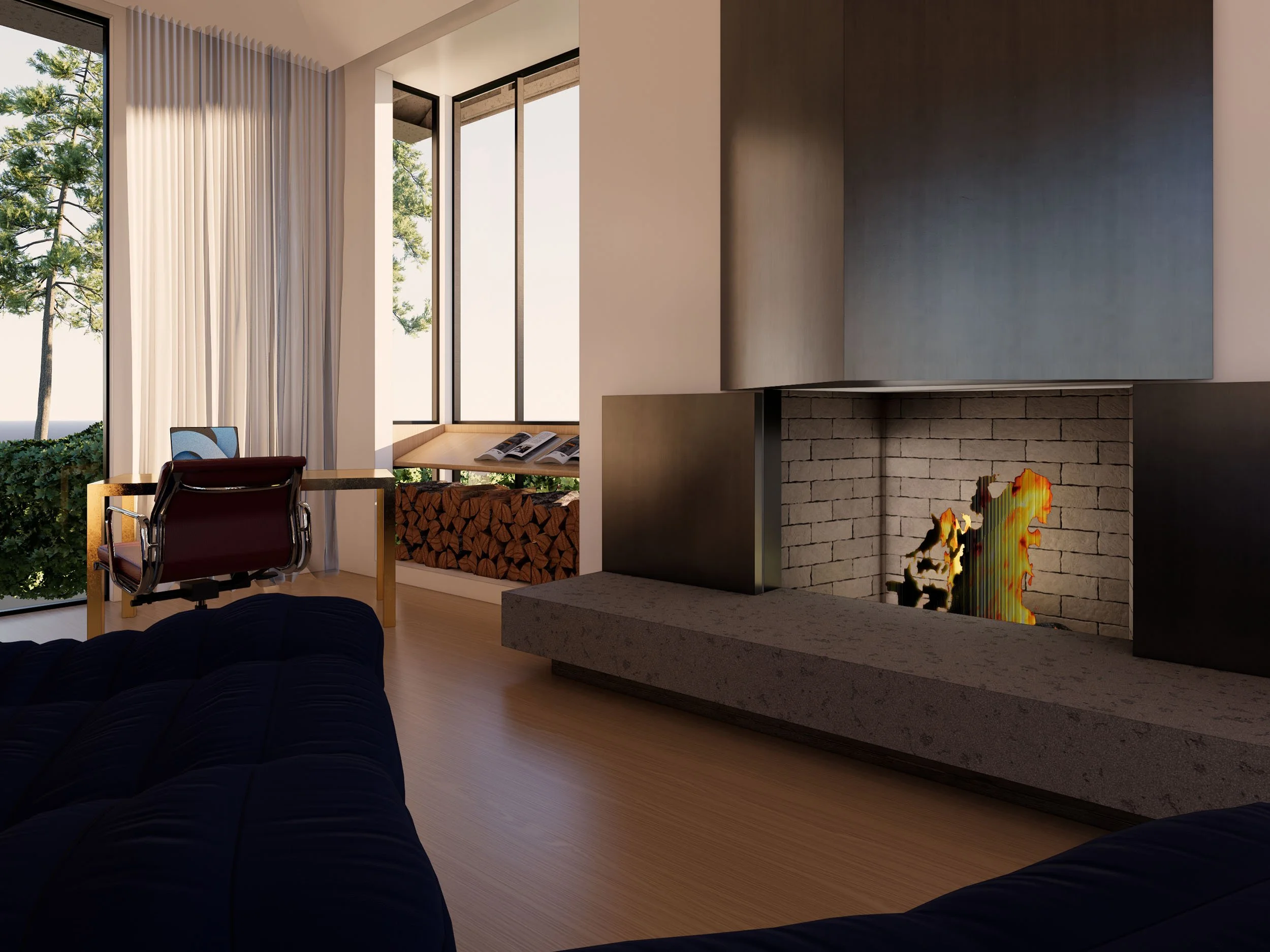
This phase is about assembling the people who will help turn your goals into something real and buildable. A strong team does more than design and construct a house. They help you navigate fire related regulations, agency requirements, budgets, and the many decisions that arise along the way.
The right team brings clarity to complexity, helps you avoid unnecessary missteps, and creates a process that feels steady rather than overwhelming. Below is a practical framework for defining your scope, understanding your budget, finding qualified professionals, and setting up the working relationships that will carry your project forward.
-
This step is about setting clear boundaries before design begins. Understanding the financial framework first allows the vision to stay grounded and achievable as decisions unfold.
Budget
• Determine a realistic budget range early.
• Understand what is typically included in a full project budget.
• Factor in cost impacts related to fire rebuild conditions, updated building codes, site work, and utility upgrades.
• Consider insurance coverage, settlement timing, and any available assistance programs.
• Use the budget as a decision making tool to guide scope, materials, and overall expectations.Vision
• Size: Overall square footage, number of bedrooms and bathrooms, and an honest assessment of how much house you actually want to live in.
• Special features: Home office, guest space, outdoor living, pool, or other elements that meaningfully support daily life.
• Style: Modern, traditional, rustic, or somewhere in between. Gather up to ten reference images that capture how you want the home to feel.
• Sustainability: Energy efficient strategies, water use, solar, and material choices that improve long term performance.
• Fire safety: Fire resistant assemblies, defensible space, and site access considerations integrated into the design from the start. -
Architect
Research
• Look for an architect who communicates clearly, listens carefully, and can explain complex decisions without adding stress.
• Confirm who will actually be leading your project day to day and their level of experience.
• Review past work, client feedback, and professional affiliations such as local AIA chapters.
• Ask for referrals from homeowners, builders, or consultants you trust.
• Confirm they have delivered projects within your budget range and can explain how costs were managed.
• Look for a firm that is organized, responsive, and efficient.
• If your property is on a hillside, confirm direct hillside experience.Interviews
• Schedule introductory Zoom calls to discuss your goals, priorities, and budget.
• Ask about experience with fire resistant construction, rebuilds, and local codes.
• Ask how they work with clients day to day and how decisions are communicated.
• Ask how budgeting, cost tracking, and value engineering are handled.
• Ask which contractors they work well with and why.
• Confirm they have an established consultant team. Structural, civil, and Title 24 energy modeling consultants are commonly required.
• Review the overall design timeline and major milestones.
• Review fees and what is included in their scope.
• Confirm capacity, staffing, and how your project will be resourced.
• Verify license and insurance.
• Ask about sustainability commitments or certifications if that matters to you.General Contractor
Research
• Look for a licensed and insured general contractor with relevant residential experience.
• Verify license and insurance through the Contractors State License Board.
• Ask architects you interview which contractors they trust and enjoy working with.
• Look for a contractor who communicates clearly, listens well, and keeps problems from becoming bigger than they need to be.Interviews
• Talk through scope, timing, and budget expectations.
• Ask about experience with fire rebuilds and post disaster conditions.
• Confirm they have built projects within your budget range and understand cost control.
• Ask how pricing is structured, including overhead and profit.
• Ask how change orders are handled and documented.
• Ask for a realistic construction timeline based on current conditions.
• Confirm capacity and who will manage your project day to day.
• Visit a completed project if possible and request references from past clients and architects. -
Start by selecting the core team that will carry the project from vision to completion. Alignment, experience, and communication matter more here than speed.
Select a licensed architect whose values align with your vision, budget, and priorities. Look for direct experience with residential work and fire impacted neighborhoods. If your property is on a hillside, confirm specific experience with hillside design, grading, and access constraints. Choose someone who communicates clearly, listens well, and makes complex decisions feel understandable rather than overwhelming.
Select a licensed general contractor with experience in rebuilds and working within active neighborhoods. Confirm they understand the realities of post fire construction conditions and local permitting environments. Working styles and values should align between you, your architect, and your contractor, as this relationship will carry through the entire rebuild.
Once your architect is engaged, provide the initial information needed to begin work. This may include:
• Property survey
• Geotechnical report, if required
• Site environmental assessment report, if available
• Plans or drawings of your previous home, if they existOld permits and records may be available through local agencies. You can begin the process by submitting an online request:
LA County Records Request
City of Los Angeles Records RequestAdditional helpful materials include:
• Photos of your property before the fire, if available
• A clear needs, wants, and wishes list
• Up to ten images that represent your visionEstablish clear lines of communication and decision making early. Define who is responsible for coordination, approvals, and day to day questions. In most cases, an experienced architect can coordinate consultants and work directly with the contractor. When roles, responsibilities, and expectations are clearly defined, a separate project or construction manager is typically not necessary.
-
Once your team is in place, clear contracts become essential. They set expectations early, protect everyone involved, and help keep the project moving without unnecessary friction. At a minimum, this typically includes agreements with your architect, general contractor, and any required consultants. If the project is financed, it will also include a construction loan agreement.
Good contracts do not eliminate problems, but they make issues easier to address when they come up. What matters most is clarity around roles, scope, and decision making.
Architect or Designer Contract
This agreement establishes the foundation for the entire project.
• Clearly define the architect’s scope of services, including design, permitting, and construction administration.
• Confirm the core consultant team and who is responsible for engaging them. Ideally, required consultants such as the structural engineer, civil engineer, and energy consultant are included within the architect’s scope, which reduces coordination on your end.
• Identify any specialty consultants that may be needed and who is responsible for retaining them. This can include lighting designers, landscape architects, interior designers, acoustics consultants, environmental consultants, or permit expediters.
• Outline fees, payment schedules, and how changes in scope or cost adjustments are handled.
• Confirm the architect carries appropriate insurance, including professional liability and workers’ compensation.
• Clarify ownership and permitted use of plans and drawings.
• Establish a clear process for dispute resolution if disagreements arise.General Contractor Contract
This agreement governs how the home will be built.
• Clearly define the scope of work, including materials, subcontractors, and the overall schedule.
• Outline the payment structure, including progress payments and conditions for final payment.
• Confirm the contractor carries appropriate insurance, including liability and workers’ compensation.
• Establish a clear and transparent process for change orders and pricing adjustments.
• Include a dispute resolution process, such as mediation or arbitration.
• Have your architect review the contractor’s contract before signing.Consultant Contracts
If required consultants are not included within the architect’s scope, you will retain them directly.
• Ask your architect for a list of recommended consultants.
• Each consultant should have a separate contract.
• Make sure consultant agreements align with the architect’s contract in terms of scope, payment, and insurance.
• Ask your architect to review consultant contracts before signing to ensure coordination across the team.Typical Consultants
Most residential rebuild projects require a small but essential consultant team. The exact lineup depends on your site, jurisdiction, and the complexity of the home.
Common consultants include:
• Structural engineer to design the building structure and confirm compliance with current seismic and code requirements
• Civil engineer to address grading, drainage, site access, and utility connectionsDepending on site conditions and local requirements, you may also need:
• Geotechnical engineer to evaluate soil conditions, slope stability, and foundation design assumptions
• Mechanical, electrical, and plumbing engineer for more complex homes, energy compliance, or specialized systemsYour architect can advise which consultants are required for your property and whether they are included within their scope or retained separately.
Construction Loan Agreement
If the project is financed, the construction loan agreement governs how and when funds are released during construction.
• Align lender requirements with the contractor’s billing and construction process so payment requests flow smoothly.
• Build lender review time into the overall schedule to avoid delays.
• Obtain required payment application formats and exhibits early so submissions are correct.
• Allow time for your architect to review and certify payment applications.
• Coordinate required documents across all agreements, including construction drawings, specifications, schedules of values, and executed architect and contractor contracts. -
Before signing any agreement, seek legal advice specific to your situation. An attorney can help you understand how contract terms affect risk, responsibility, and liability across the project.
When possible, using industry standard contracts can help keep expectations aligned and reduce unnecessary ambiguity. The American Institute of Architects AIA has been developing and refining its contract documents for over a century, and they are widely used across the construction industry. Because these contracts are familiar to architects, contractors, lenders, and attorneys, they establish a common framework around scope, roles, payment, and risk allocation.
Using AIA contracts can make coordination between parties smoother and reduce misunderstandings. Since many professionals already understand the language and structure, legal review is often more straightforward, which can make the process easier and more efficient overall.
Commonly Used AIA Contracts
Architect contracts
B101 2017
Standard Form of Agreement Between Owner and ArchitectB105 2017
Standard Short Form of Agreement Between Owner and ArchitectConstruction contracts
A101 2017
Standard Form of Agreement Between Owner and Contractor where the basis of payment is a Stipulated SumA102 2017
Standard Form of Agreement Between Owner and Contractor where the basis of payment is the Cost of the Work Plus a Fee with a Guaranteed Maximum PriceA105 2017
Standard Short Form of Agreement Between Owner and ContractorA201 2017
General Conditions of the Contract for ConstructionConsultant contracts
C103 2015
Standard Form of Agreement Between Owner and ConsultantIf you choose not to use AIA contracts, it is especially important to have an attorney review the agreements to confirm they adequately protect your interests and align responsibilities across the team.
Every rebuild follows a similar path, but timing varies by your local jurisdiction, site conditions, permitting requirement, and scope. The outline below is meant to help you understand phase of work, not a prediction of time.
Step 4:
Understanding Timeline
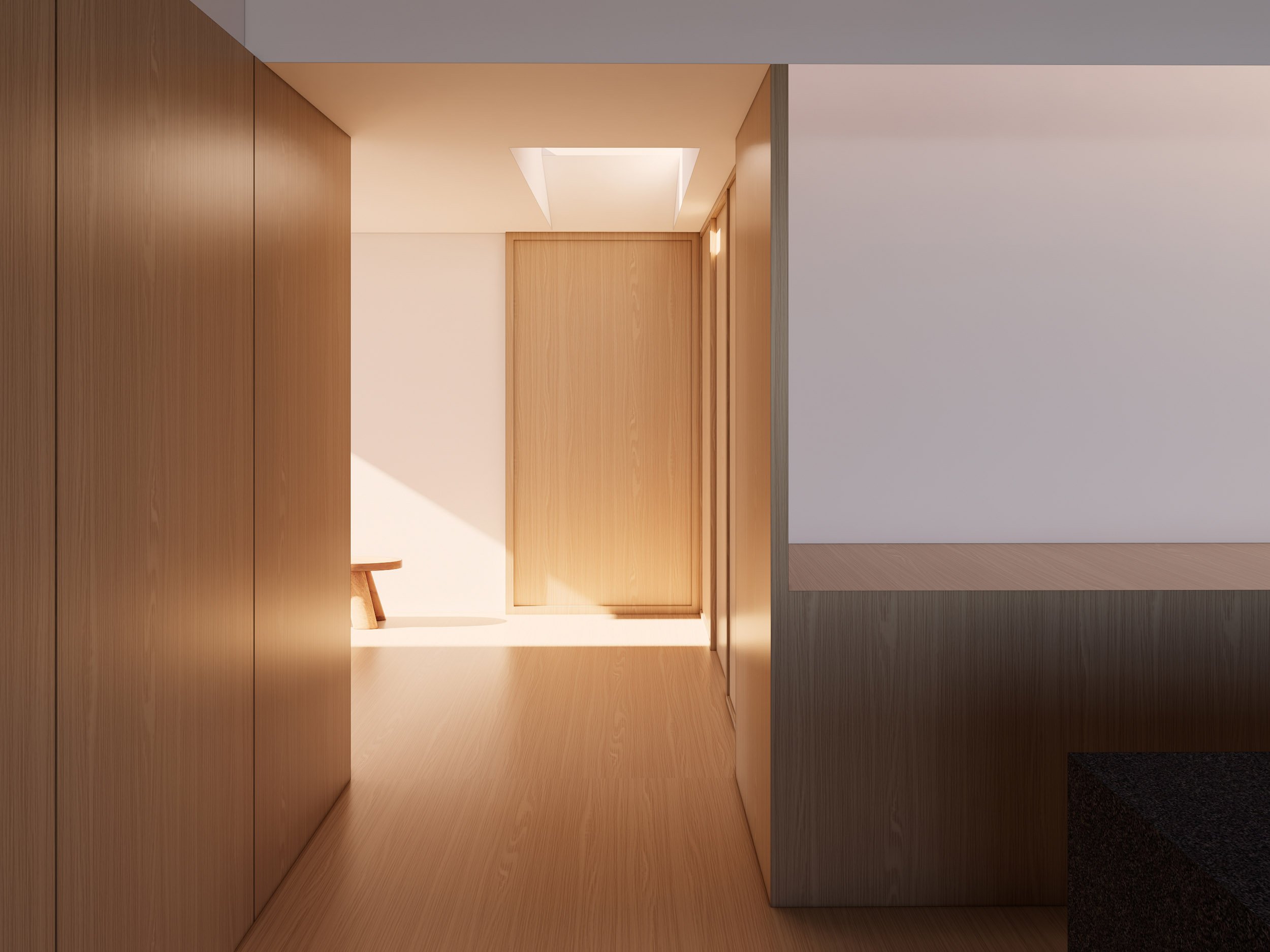
The rebuild moves through a series of distinct phases. Each phase builds on the last and helps guide the project from early planning through construction and final approvals.
Design
Phase One: 6 - 8 months
1 Month
Pre Design
2 - 3 Month
Schematic Design
3 - 4 Months
Construction Documentation
Construction
Phase Two: 8 - 12 months
8 - 12 Months
Construction
Move In & Settle In
Phase Three: 12 months
12 Months
Move In & Settle In
Phase One
Pre
Design
• About 1 month
• Building program and priorities
• Resiliency and fire related considerations
• Site analysis and constraints
• Zoning and code review
• Preliminary project budget
This phase focuses on understanding what is possible and what is required. Site conditions, existing information, and applicable codes are reviewed. Goals are clarified early so later decisions are grounded and aligned with budget.
Phase One
Schematic
Design
• 2 - 3 months
• Plan layouts and spatial organization
• Building massing and overall form
• 3D modeling to study scale, light, and volume
• Ongoing budget alignment and adjustment
During this phase, the design of the home is developed and resolved. Layout, form, systems, and materials are coordinated so major decisions are made before documentation begins.
Phase One
Construction
Documentation
• 3-4 months
• Structural system coordination
• Mechanical, electrical and plumbing coordination
• Utility coordination
• Exterior and interior material direction
• Fixture, appliance, and equipment selection
• Submit permit for plan check review
• Construction documentation
• Agency plan review and corrections
• Required clearances and approvals
• Building permit issuance
• Contractor selection
• Bidding and negotiation
The design is translated into construction drawings for permit review and pricing. Agency comments are addressed until approvals are granted. Contractor pricing is finalized so construction can begin once permits are issued.
Phase Two
Construction
• 8-12 months
• Site work and foundations
• Structural framing and building enclosure
• Mechanical, electrical, and plumbing installation
• Interior and exterior finishes
• Landscape and site improvements
• Weekly meeting with architect and contractor
Construction typically includes site preparation, hooking up utilities, building the foundation, structure, installing interior and exterior finishes, and completing landscaping. Your contractor manages the day to day work. Your architect can help monitor progress for consistency with the construction documents, provide updates, and support coordination through completion.
Plan on regular site meetings, often every other week, with your architect and contractor.
Phase Three
Move In
• 2-3 weeks
• Final inspections and approvals
• Certificate of Occupancy
• Utility connections and system startup
• Final cleaning
• Move in coordination
• Post occupancy walkthrough
This phase marks the transition from construction to living in the home. Once construction is complete, final inspections are conducted by the local agency and the Certificate of Occupancy is issued. Utilities are activated, systems are tested, and any remaining punch list items are addressed.
Your architect can assist with final walkthroughs, confirm that work aligns with the construction documents, and help close out the project.
Phase Three
Settle In
• Warranty period management
• Seasonal adjustments and system tuning
• Maintenance planning
• Landscape establishment
• Energy and water performance review
• Long term care and upgrades
Once you have lived in the home long enough to understand how it actually performs. Materials move. Systems settle. Landscaping establishes. Minor adjustments are normal and expected.
Your contractor typically provides a one year warranty period. During this time, it is important to document issues as they arise and address them methodically rather than reactively. Your architect can help evaluate whether items fall under warranty, coordinate follow up with the contractor, and advise on long term care.
The rebuild includes site work, design and planning, permitting, construction, and inspections. It often takes a few years from start to finish. Staying engaged throughout the process and working closely with the right professionals helps keep decisions aligned and issues manageable. The result is a home that is safer, more resilient, and better suited to how your family lives.
Step 5: Phase 1
Define Your Vision
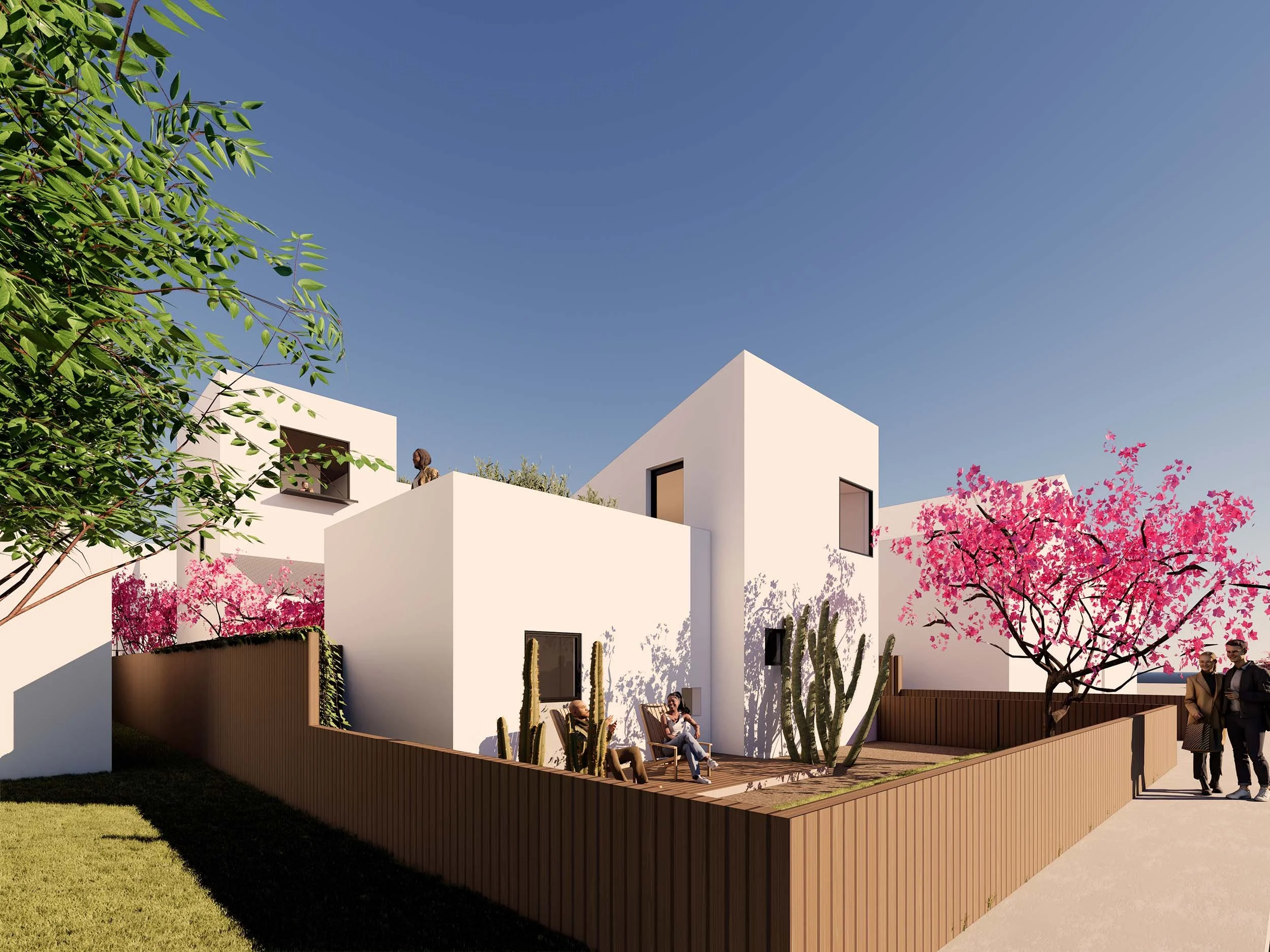
This is where the design journey begins.
With the rebuild process underway, this phase is about stepping back to imagine what this next home can be, before lines are drawn or decisions are locked in. It is where aspiration meets reality and where your goals, budget, and site conditions are shaped into a clear direction.
Defining your vision is not about having all the answers. It is about articulating what matters most, how you want to live, and what this home should support over time. When this work is done thoughtfully, it becomes the foundation for a design that feels intentional, grounded, and truly yours, one that can be permitted, built, and lived in with confidence.
-
With your team in place, the next step is to clarify what you are rebuilding toward. This is about setting direction before drawings begin. It means balancing practical requirements with what you want this next home to stand for.
Fire resilience belongs in this conversation early, from site planning and building form to material choices and fire safety strategies. Sustainability also plays a role, helping create a healthier, more efficient home that performs better and costs less to operate over time. Clear goals at this stage make later decisions easier.
Goals
Rebuilding is not only about replacing what was lost. It is a chance to reset priorities and shape a home that supports how you want to live going forward.
Big picture intentions
• How do you want to feel in the home. Calm, protected, open, connected to light and landscape
• How does your daily life work now, and how might it change over time
• What values matter most as you make tradeoffs. Simplicity, durability, flexibility, long term stewardshipPerformance and resilience
• How important are fire resilience and long term safety in shaping the design
• What role should sustainability play in material choices, energy use, and overall performance
• Where can resilience and efficiency be built in without adding unnecessary complexityScope and constraints
• Do you want to rebuild roughly the same size home, or does it make sense to build larger or smaller. This decision is tied to insurance coverage, budget, and permitting timelines. Some jurisdictions offer expedited review for like for like rebuilds
• Do you want the new home to sit in the same location and follow the same basic organization, or is this a moment to rethink layout, orientation, or characterVisual references
• Gather up to ten reference images that capture what resonates with you
• This can include your previous home, places you love, or spaces that feel right without needing to explain whyThese inputs give the design team something concrete to work from and help keep the process grounded as the project moves forward.
-
Programming is the process of defining how the home supports day to day life. It is less about square footage and more about movement, relationships between spaces, and how the house works over time. Clear programming helps keep the design focused, flexible, and grounded in how you actually live.
Big picture questions
• Who will live in the house, now and over time
• How do you want the house to feel in daily use
• What kind of rhythm do you want your days to have at home
• How important is privacy, both within the home and from neighbors
• How important is natural light, and where does it matter most throughout the daySpatial organization
• How do you move through the house over the course of a day
• Do you want a single story or two story home
• Does a basement make sense for your site and lifestyle
• Where do you cook, eat, work, relax, and gather
• What kind of flow feels right between shared and private spacesHousehold needs and activities
• Do you have children or pets, and what do they need from the space
• Are there hobbies or activities that need dedicated room
• Are there routines that require separation, quiet, or flexibilityNeeds, Wants, Wishes
A Needs, Wants, and Wishes list gives your architect a clear framework to design from. Think of it as a working outline of how you want the house to support your life, with priorities clearly defined.
Needs
These are the non negotiables.
• Overall size of the house and target square footage range
• Bedrooms with target sizes and relationships
• Bathrooms and required features such as showers, tubs, or double sinks
• Kitchen size, layout, and appliances
• Living, kitchen, and dining spaces and how they connect
• Storage and cabinetry needs such as closet lengths or pantry space
• Required sustainable or resilient features
• Baseline privacy and security requirementsWants
These improve quality of life but can be adjusted if needed.
• Home office or workspace
• Guest rooms
• Outdoor spaces such as patios, decks, porches, or outdoor kitchens
• Fireplace
• Optional sustainability or fire resiliency upgrades
• Specific finishes or equipment preferencesWishes
These are longer term or stretch goals that may or may not fit the current scope.
• Pool or spa
• Smart home features such as lighting, security, or automation
• Accessory Dwelling Unit
• Junior Accessory Dwelling Unit -
Rebuilding after a fire is an opportunity to improve how your new home responds to future wildfire events. Fire resilience comes from a combination of site planning, building design, material choices, systems coordination, and long term maintenance. These are topics worth discussing early with your architect and consultant team.
Site planning and access
Fire access
• Maintain clear access to the main entry for emergency response
• Maintain required clearances around the perimeter of the homePlanting and landscape
• Use native and fire appropriate planting
• Apply mulch where appropriate to stabilize soil and reduce erosion
• Install irrigation to help maintain moisture during dry periodsExterior building elements
Fire resistant materials
• Class A fire rated roofing such as metal, clay, asphalt, or fiberglass shingles
• Fire rated exterior wall assemblies
• Noncombustible exterior finishes including brick, stone, stucco, metal siding, or fiber cementDoors and windows
• Double pane windows, doors, and skylights
• Solid core fire rated doors made of steel, composite, or metal clad wood
• Fire and smoke rated gaskets and sealsDecks, balconies, fencing, and trellises
• Use noncombustible materials such as steel, aluminum, concrete, or fire rated composites
• Maintain required separation between structures
• Enclose the underside of decks and balconiesReducing ember entry and vulnerabilities
• Ventless or minimized attic designs where permitted
• Required vents screened with fine steel mesh
• Slab on grade foundations to avoid crawlspace exposure
• Enclosed soffits and eaves using noncombustible materials
• Metal gutters with gutter guards to limit debris buildup
• Chimneys fitted with noncombustible spark arrestors
• Fire rated sealant at all building penetrationsBuilding systems
Emergency power and water
• Battery backup systems reduce reliance on the electrical grid
• Outdoor hose connections located around the homeHVAC systems
• Properly designed systems can help filter smoke
• Screened openings reduce ember intrusionFire sprinklers
• Interior fire sprinkler systems in living spaces and attics
• Rooftop sprinkler systems can help dampen roofs and surrounding areas during fire events -
Sustainability
Sustainability is not an add on. It is about making thoughtful choices that improve how your home performs over time. A well designed sustainable home is more comfortable to live in, more resilient to future events, less expensive to operate, and healthier for the people inside it.
These decisions are most effective when considered early, alongside design, structure, and fire resilience, so they are fully integrated rather than layered on later.
Climate informed design
Performance starts with how the home is designed and positioned on the site.
• Orientation, massing, and layout informed by sun path and prevailing winds
• Cross ventilation and passive cooling strategies to reduce reliance on mechanical systems
• Solar shading through roof overhangs, screens, and landscape
• Strategic daylighting that brings in natural light without excess heat gain
• High performance exterior wall assemblies and continuous insulationDesign for health and wellbeing
A sustainable home should support both physical and emotional wellbeing.
• Maintain clean indoor air and water quality through filtration systems
• Bring the outdoors in through views, daylight, and direct connections to landscape
• Use natural materials and textures that create a sense of calm and comfort
• Create spaces that connect to your community, such as a front patio or entry garden
• Design for flexibility as your family size, routines, and needs change over timeAll electric homes
All electric homes reduce environmental impact while improving indoor air quality.
• Eliminates on site combustion and reduces indoor air pollution
• Often lowers long term operating costs
• Allows access to local, state, and utility incentives and rebates
• Integrates well with solar and battery systemsEfficient mechanical systems
Well designed systems improve comfort while reducing energy use.
• Electric heat pumps for efficient heating and cooling
• Heat pump water heaters with significantly lower energy demand
• Properly sized systems for quiet operation and consistent temperaturesRenewable energy integration
On site energy generation adds resilience and long term value.
• Solar photovoltaic systems to reduce energy bills
• Battery backup systems to store excess energy and provide power during outages
• Integration with all electric systems for improved performanceConserving water
Water efficiency is increasingly important in fire prone and drought affected regions.
• Install low flow toilets, sinks, and shower heads to reduce water use
• Plant drought tolerant and native species to lower irrigation demand, improve air quality, and absorb carbon
• Use permeable paving, bio filtration systems, and rainwater harvesting to manage stormwater and support landscape irrigationHealthier materials and lower embodied carbon
Material choices affect both environmental impact and long term durability.
• Prioritize local or regional materials that are responsibly sourced
• Choose durable, long lasting materials that age well over time
• Select structural systems with lower embodied carbon where possible
• Reduce construction waste through thoughtful detailing and coordinationLow VOC and healthier indoor environments
Indoor air quality matters, especially in a newly built home.
• Specify low VOC or zero VOC paints, sealants, adhesives, and coatings
• Select flooring, cabinetry, and composite wood products with low formaldehyde emissions
• Avoid materials that off gas heavily, particularly in bedrooms and enclosed spaces
• Coordinate material selections with ventilation strategies
• Allow appropriate curing and flush out periods before occupancyTogether, these strategies support a home that performs well, feels good to live in, and remains adaptable over time. Sustainability here is not about doing more, but about doing things intentionally, so the home continues to support you long after the rebuild is complete.
The rebuild includes site work, design and planning, permitting, construction, and inspections. It often takes a few years from start to finish. Staying engaged throughout the process and working closely with the right professionals helps keep decisions aligned and issues manageable. The result is a home that is safer, more resilient, and better suited to how your family lives.
Step 6: Phase 1
Design & Permit Phase
The work is sequential by design. Early decisions shape everything that follows, and thoughtful progress here helps reduce friction, redesign, and delay later in the process.
-
The pre design phase sets the foundation for everything that follows. The goal here is alignment. This is where your vision, your site, your budget, and local requirements are brought into focus before any drawings begin.
Your role in this phase
You will work with your architect to collect and provide key information about the property and your goals, including:
• Property site assessment or environmental reports, if available
• Soils report, if required by your local agency
• Site survey showing property boundaries, topography, and existing conditions
• Previously permitted plans and permit records of your former home, if available
• Design requirements for the new home including size, layout, number of rooms, and functional prioritiesOlder permits and records may be available through your local planning or building department and can often be requested online.
What happens during this phase
Your architect will begin by grounding the project in real site and regulatory conditions.
• Initial meetings to discuss your vision, lifestyle needs, resiliency goals, and budget expectations
• Site analysis addressing slope, grading constraints, access, and buildable area
• Evaluation of views and privacy relationships
• Sun and climate analysis to support natural light, energy efficiency, and comfort
• Early identification of fire resilient strategies appropriate to the site and jurisdictionRegulatory and permitting strategy
Understanding the approval pathway early helps set realistic expectations.
• Confirmation of the applicable permitting agency
• Review of zoning regulations, building codes, and fire related requirements
• Assessment of whether the project qualifies for standard permitting or an expedited fire rebuild process, if available
• Early alignment of permitting approach with scope, timeline, and insurance considerationsTechnical groundwork
As soon as site conditions allow, technical studies are coordinated.
• A soils report prepared by a geotechnical engineer, if required, documenting soil conditions and design recommendations
• Early coordination between geotechnical findings and structural design assumptionsBudget alignment
This is where goals and economics are brought into balance.
• Work with your architect and or contractor to establish a target budget aligned with your priorities
• Confirm how scope, size, materials, and systems affect cost
• Use the target budget to set realistic expectations before design beginsBy the end of this phase, you should have
• A clear and agreed upon building program
• A solid understanding of site conditions and development requirements
• A defined permitting strategy
• A realistic target budget that supports the next phase of designA thoughtful pre design phase reduces uncertainty later and allows the design process to move forward with clarity and confidence.
-
The design development phase is where the project moves from ideas into a resolved design. This is the stage where layout, massing, materials, and budget are tested together and refined into a clear direction that can be carried forward into technical drawings and permitting.
Concept Development
The architect develops plan options that explore different layouts and spatial relationships. These options test how the program fits on the site and how the home functions day to day.Design Direction and Visualization
A three dimensional model is created to help you understand the overall form of the house, how spaces relate to one another, and how materials may be used. This allows design decisions to be evaluated visually, not just on plan.Design Meetings and Feedback
You should expect a series of focused design meetings, typically two to three, to review progress and provide feedback.Meeting 1
Review plan options and initial conceptsMeeting 2
Confirm preferred plan, building shape, overall configuration, and material directionMeeting 3
Finalize the design direction including materials, finishes, and key equipment selectionsYour feedback during this phase is critical. The design is refined based on your priorities, lifestyle needs, and budget parameters.
Materials and Specifications
Working with your architect, you will begin selecting primary building materials, plumbing fixtures, appliances, and finishes. These selections inform both cost and constructability and will later be carried into the construction documents.Consultant Coordination and Feasibility
The architect coordinates with consultants as needed to discuss structure, systems, phasing, and construction feasibility. This helps identify potential issues early while adjustments are still manageable.Budget Alignment
Based on the developed plans and material selections, your architect or contractor will confirm that the design remains aligned with the target project budget. Adjustments can be made at this stage before the design becomes more fixed.At the conclusion of this phase, you should have
• Floor plans that reflect the agreed upon layout
• Three dimensional views showing building form, configuration, and materials
• Defined materials, finishes, and equipment selections
• A confirmed project budget aligned with the design directionThis phase sets the foundation for technical drawings and permitting. Time spent here resolving decisions clearly helps reduce redesign and uncertainty later in the process.
-
This phase is where the design is translated into a complete, coordinated set of documents that can be permitted, priced, and built. The focus shifts from exploration to precision. Decisions made earlier are finalized, technical systems are integrated, and the project is prepared for construction.
Detailed Design and Documentation
The architect develops the design into a full set of construction documents, including:
Architectural drawings
Detailed floor plans, elevations, building sections, wall assemblies, and construction details that clearly communicate design intent, materials, and dimensions.Structural drawings
The structural engineer prepares drawings for foundations, framing, lateral systems, retaining walls, and seismic requirements, all coordinated with architectural design and site conditions.Civil drawings
When required, a civil engineer prepares grading, drainage, stormwater management, and site utility plans based on local agency requirements and post fire site conditions.Engineering and Site Coordination
This phase requires close coordination across all technical disciplines to ensure the home performs as intended and can be built efficiently.
Structural coordination
The structural system is finalized in coordination with architectural goals, fire resilience strategies, and site constraints. This includes foundations, framing, retaining walls, and any special structural considerations related to hillside conditions or fire rebuild requirements.Mechanical, electrical, and plumbing coordination
MEP systems are fully integrated into the design.Mechanical systems address heating, cooling, ventilation, and indoor air quality, often including heat pump systems, filtration strategies, and equipment placement.
Electrical systems include lighting layouts, power distribution, renewable energy systems, battery storage, and low voltage infrastructure such as data, security, and smart home systems.
Plumbing systems include water supply, drainage, fire sprinklers, and water efficient fixtures. These systems are coordinated to meet code requirements and long term performance goals.
Site and utility coordination
Site related systems are coordinated alongside the building design. This may include grading, drainage, utility connections, fire access, defensible space requirements, and integration with landscape strategies. Early alignment reduces conflicts and avoids late stage changes.Consultant Coordination
The architect coordinates the work of all consultants to ensure drawings are consistent, complete, and aligned. Conflicts between systems are resolved during documentation rather than during construction, reducing risk and uncertainty.
Plan Check and Permitting
The construction documents are submitted to the appropriate agencies for plan review. The architect responds to plan check comments and works toward obtaining all required approvals and a building permit.
Project Bidding
Once documents are sufficiently complete, they are issued to the contractor for pricing. Bidding typically overlaps with the permitting process. The contractor prepares a detailed bid or guaranteed maximum price based on the documents.
At the conclusion of this phase, you should have
A complete set of coordinated construction documents and specifications
An approved building permit or permit approval in progress
A contractor’s bid or pricing proposal based on the final documentsThis phase sets the foundation for a smoother construction process. Thorough documentation and coordination here help protect schedule, budget, and design intent once work begins on site.
-
Permitting is one of the most complex parts of the rebuild process, especially after a fire. Requirements vary by jurisdiction, and many agencies have introduced expedited pathways to help homeowners rebuild more quickly. These rules continue to evolve, so it is important to confirm current policies directly with your local planning department as early as possible.
Broadly, rebuild projects fall into two categories: expedited fire rebuilds and standard permitting. Which path applies depends on how closely your new home aligns with what existed before the fire.
Expedited Fire Rebuild Programs
Many cities and counties offer expedited permitting for projects that qualify as “like for like” rebuilds. These programs are designed to reduce review time and remove certain discretionary approvals.
In general, expedited eligibility requires that the rebuilt home:
• Is in substantially the same location as the legally established structure prior to the fire
• Is the same use as before
• Does not exceed 110 percent of the prior home’s floor area, height, bulk, or building footprint
• Is permitted within a defined time window following the emergency declarationSome agencies allow limited flexibility under specific circumstances, including:
• Minor relocation to address changed topography, drainage, or debris flow conditions
• Minor relocation that brings a previously nonconforming structure into compliance
• Adjustments that reduce impacts to protected oak trees or ridgelinesThese exceptions are evaluated case by case and should be discussed early with your architect and local agency.
Timing Requirements
Most expedited rebuild programs include firm deadlines:
• Permit applications typically must be filed within two years of the emergency declaration
• Construction must begin within a specified period after permit issuance
• Temporary housing permits often expire two years after the emergency declaration, or are tied to the duration of an active building permitMissing these deadlines can push a project back into the standard permitting process.
City of Los Angeles Rebuild Program
For projects within the City of Los Angeles, expedited rebuild eligibility generally requires:
• The home is rebuilt in substantially the same location
• The new structure does not exceed 110 percent of the prior floor area, height, or bulk
• Building permits are obtained within seven years of the executive order
• Construction is completed within three years of permit issuanceTo support this process, the City has implemented procedural relief, including:
• A dedicated Disaster Recovery Permitting Center for in person review
• Simultaneous multi department plan review rather than sequential approvals
• Initial plan review completed within 30 days
• Utility clearances and occupancy approvals completed within five days
• Construction inspections scheduled within two business days of requestLA County and Other Jurisdictions
County administered rebuild programs offer similar relief, though timelines and requirements differ. County permitting often takes longer than city permitting, particularly for hillside or complex sites.
Typical timeframes, if not expedited, may include:
• Los Angeles County permits: often 6 months or longer
• City of Los Angeles standard permits: often 6 months or longer
• Coastal Development Permit, when required: typically an additional 12 months or moreCoastal Zone Considerations
Properties within the Coastal Zone have additional layers of review.
Some rebuilds may qualify for exemptions from Coastal Development Permits, depending on location and scope. This varies between single permit and dual permit jurisdictions.
In certain cases:
• Like for like rebuilds may be exempt from Coastal Development Permits
• Temporary housing may be allowed for up to three years or for the duration of an active building permit
• Recreational vehicles, tiny homes, modular units, and mobile homes may be permitted
• Storage sheds or temporary structures may be allowedIf your rebuild goals exceed like for like limits, the project will typically require standard coastal review, which significantly affects schedule.
Accessory Dwelling Units in Coastal Areas
ADUs associated with eligible rebuilds may qualify for coastal exemptions under specific conditions.
• ADUs up to 800 square feet and 16 feet in height may qualify in some zones
• Larger ADUs generally require full coastal permitting
• Dual jurisdiction properties require coordination with both the City and the Coastal CommissionYour architect or permit consultant can help confirm which permit zone applies to your property.
Temporary Housing and Related Relief
Many jurisdictions provide relief for:
• Temporary housing on properties that previously had a legally established residence
• Accessory structures related to the rebuild
• Grading limited to restoring the lot or supporting a like for like replacement
• Exemptions from oak tree permits and significant ecological area requirements, with exceptionsThese allowances are designed to reduce friction during rebuilding but are tightly scoped and should be verified in writing.
Standard Permitting Path
If your project does not meet expedited criteria, it will proceed through the standard permitting process. This includes full zoning review, discretionary approvals where applicable, and longer agency timelines. While slower, this path allows greater flexibility in size, layout, and design.
Final Notes
Permitting rules are changing and interpretations vary by agency and site. Early coordination with an experienced architect, and when appropriate a permit expeditor, can significantly reduce delays and uncertainty.
Always confirm current requirements with your local agency before making design or financial commitments.
Step 7: Phase 2
Construction Phase
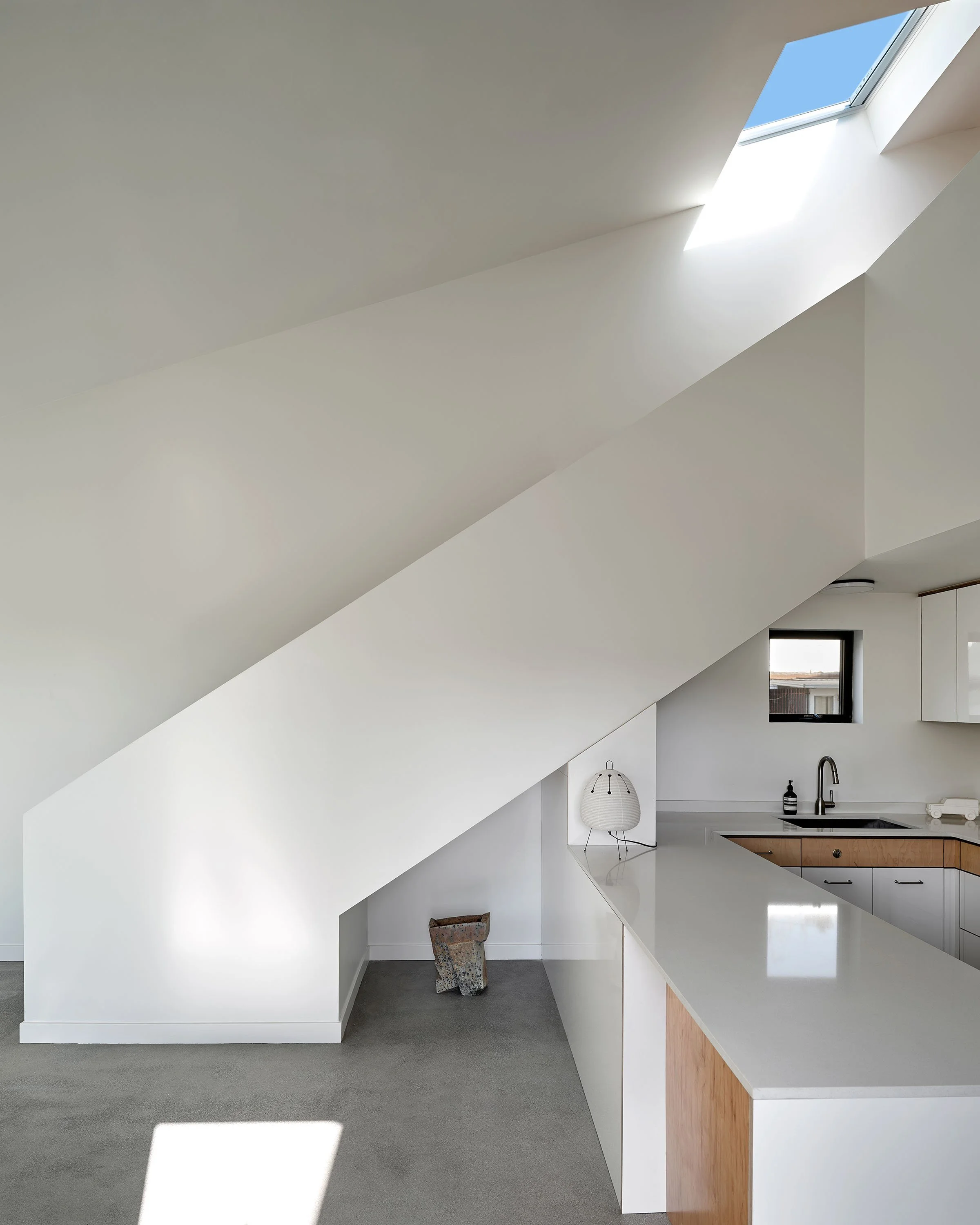
The construction phase is where planning becomes reality. This is also the longest and most active part of the rebuild. Staying engaged, organized, and communicative during this phase makes a meaningful difference in quality, schedule, and overall experience.
-
The construction phase is where planning becomes reality. This is also the longest and most active part of the rebuild. Staying engaged, organized, and communicative during this phase makes a meaningful difference in quality, schedule, and overall experience.
Key Construction Stages
Site preparation
Clearing remaining debris if required, demolition of damaged elements, site work, and preparation for foundations and utilities.Structure
Construction of foundations and structural framing. This phase establishes the shape, scale, and structural integrity of the home.Rough ins
Installation of plumbing, electrical, HVAC, and other systems before walls are closed.Exterior enclosure
Sheathing, waterproofing, siding, windows, doors, and roofing. Once enclosed, the building is protected from weather and interior work can proceed more efficiently.Interior build out
Insulation, drywall, cabinetry, flooring, tile, paint, fixtures, and finish carpentry.Site and landscape work
Grading, drainage, planting, hardscape, fencing, and any exterior features completed toward the end of construction.Your Architect’s Role During Construction
During construction, your architect typically serves as your advocate and point of continuity.
• Acts as your representative, reviewing construction for conformance with the contract documents
• Responds to questions from the contractor and issues clarifications when needed
• Reviews and processes contractor payment applications
• Evaluates and documents change orders
• Provides regular updates and attends scheduled site meetings
• Manages the punch list and confirms when the project is substantially complete
• Reviews closeout documentation and authorizes final paymentsHaving the architect involved during construction helps maintain design intent and reduces misalignment between drawings and field conditions.
Important Considerations
• Select a licensed, experienced contractor with rebuild experience
• Track construction costs, site conditions, and scope changes carefully with your team
• Expect regular site meetings, typically every two weeks
• Stay involved at key milestones to make timely decisions
• Understand that unforeseen conditions are normal and best addressed earlyConstruction is not a passive phase. The most successful rebuilds happen when homeowners remain informed, engaged, and supported by a coordinated team through completion.
Step 8: Phase 3
Move In & Settle In
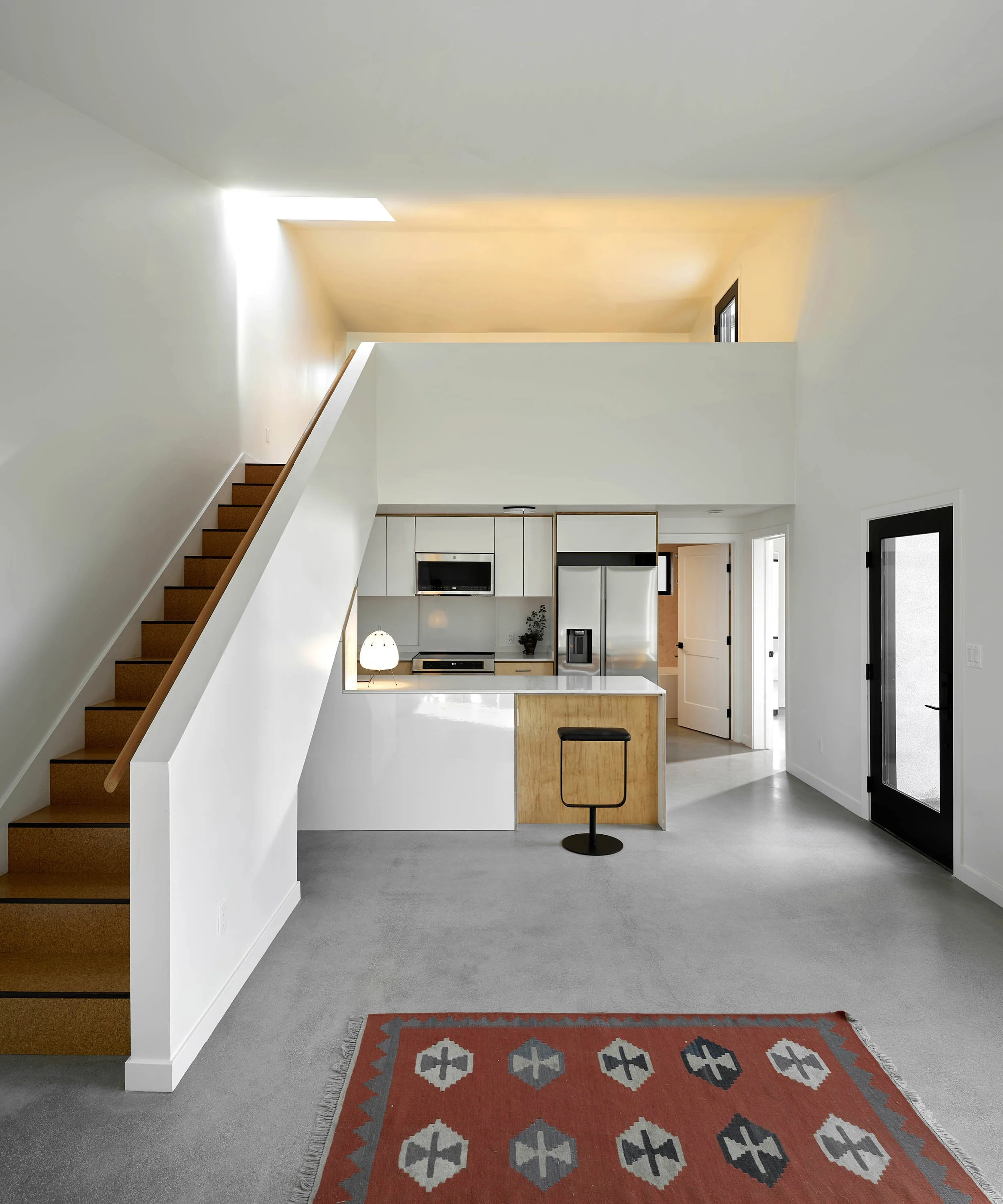
The construction phase is where planning becomes reality. This is also the longest and most active part of the rebuild. Staying engaged, organized, and communicative during this phase makes a meaningful difference in quality, schedule, and overall experience.
-
Furnishings and Move In
Moving back into your home marks a meaningful transition. It is both practical and emotional. This phase brings closure to the rebuild while also setting the tone for how you will live in the space going forward. Taking a structured approach helps reduce stress and keeps decisions aligned with your resources and priorities.
Insurance and Inventory
Before purchasing new items, ground yourself in what is already documented.
Inventory of losses
Use your insurance claim inventory to understand what items are eligible for replacement and what values have been assigned.Track replacements
If you have been living in a rental or temporary housing, keep a running list of items you have already purchased versus what still needs to be replaced. This helps avoid duplication and keeps spending aligned with your settlement.Refurnishing Planning
Start with clarity before shopping.
Budget
Establish a furnishing budget based on your insurance proceeds and any personal funds you plan to contribute.Priorities
Separate essentials from non essentials. Focus first on items that support daily life such as beds, appliances, seating, and kitchen basics.Sustainability
Consider refurbished, vintage, or sustainably sourced furniture and appliances where appropriate. These choices can reduce waste and often bring more character to the home.Local resources
Local businesses, craftspeople, and vendors can be valuable sources for furniture, lighting, and custom pieces, and often offer more flexibility than large retailers.Support and Community Resources
Several organizations are helping homeowners refurnish after fire loss. Availability and scope may change, so confirm current offerings directly.
Soft Landing Project
Provides new and gently used furniture, lighting, bedding, and home accessories for rebuilt homes.Rebuild Hotline Program
Offers free video consultations with interior design professionals.Project Comfort
Provides discounted bedding, furniture, and home decor.LA Can Do
Partners with local brands and vendors to offer services and donations for refurnishing homes lost to fire.Approaches to Furnishing
There is no single right way to refurnish. Choose the level of support that fits your time, energy, and budget.
Full service interior designer
Provides comprehensive design services including space planning, furniture selection, vendor coordination, and installation.Retail or brand based design services
Many furniture companies offer complimentary design support to help with layouts and selections.Do it yourself
Source and curate pieces independently through local shops, consignment stores, flea markets, and antique dealers. This approach takes more time but can be rewarding and personal.Working with experienced designers or vendors may also unlock trade pricing or access to preferred delivery and installation teams.
Furniture Selection and Shopping
Be deliberate before purchasing.
Research
Explore a mix of online retailers, local showrooms, and second hand sources.Planning tools
Use mood boards, Pinterest, or specification software to organize selections and see how pieces work together before committing.Compare pricing
Obtain multiple quotes when possible and confirm lead times.Dimensions and comfort
Verify measurements carefully and consider how pieces feel in the space. Comfort and scale matter as much as appearance.Delivery and assembly
Factor in delivery timing, access constraints, and assembly requirements, especially if the site or neighborhood is still under construction.Moving Back In
Plan the transition deliberately.
Final cleaning
Confirm the contractor has completed a thorough cleaning before move in.Ventilation
Once cleaned, open windows and doors to allow fresh air to circulate through the home.Safety checks
Test smoke detectors, carbon monoxide alarms, and all safety systems.Phased move in
Consider moving in gradually, starting with essentials and adding items over time as you settle in.Unpacking and organization
Take time to organize thoughtfully. This is an opportunity to reset how the home functions, not just replace what was lost. -
Moving back in is not the end of the process. It is the beginning of living in the home again, and that takes time. Give yourself space to adjust before trying to make everything feel finished.
Settling In
Start by learning how the house works day to day. Pay attention to how spaces feel at different times of day, how light moves through the rooms, and how systems perform. Small adjustments are normal and expected during this period.
Making the Home Yours
Decorating does not need to happen all at once. Gradually add personal touches as you live in the space. Art, textiles, lighting, and furniture often make more sense once you understand how you actually use each room.
Community and Support
Reconnecting with your neighborhood can be an important part of recovery. Many people around you are likely navigating similar transitions. Staying connected to neighbors and local organizations can provide both practical support and a sense of shared progress.
Refurnishing Tips
• Start with essentials and build from there, room by room
• Consider renting furniture temporarily while you decide on long term pieces
• Prioritize comfort, durability, and function over filling every space quicklyThis phase is about settling into a new rhythm. There is no rush to complete it.